
Going into a busy store can be scary if you’re new. Knowing the right words helps you feel better. This guide is your key to shopping like a pro in any market.
Knowing how to ask for a refund or find what you need is big. When you’re ready, shopping becomes easy and fun. Talking clearly is the secret to getting what you want.
Learning common shopping phrases in the US makes you confident. You can go anywhere without worry. Start now and make shopping easy and fun.
Mastering Essential English Shopping Vocabulary Every Learner Should Know
Shopping in America starts with knowing the store language. The right words help you move through aisles and talk to staff easily. This is a big part of American shopping etiquette, making you feel at home anywhere.
Understanding Retail Terminology
Knowing retail terminology is key to smart shopping. For example, «SKU» is a code for tracking items. «Clearance» means items are cheaper for quick sale. These terms help you spot deals and understand store rules.
Look out for «markdowns» and «final sale» signs. A markdown lowers the price, but a final sale item can’t be returned. Knowing this helps you shop wisely and avoid stress.
Navigating Different Types of Stores
The U.S. has many kinds of stores, each with its own feel. A department store like Macy’s has lots of items by category. A boutique is smaller, focusing on specific items like clothes or jewelry.
Big-box stores are huge, selling everything from food to electronics. Knowing the store type helps you set the right expectations for service, layout, and prices.
Preparing for Your Shopping Trip
Before you go shopping, having a plan is key. It saves time and money. A good plan helps you avoid getting lost in stores and keeps you focused on what you need.
By using a few shopping budget tips, you can make shopping easier. It turns a stressful task into a smooth one.
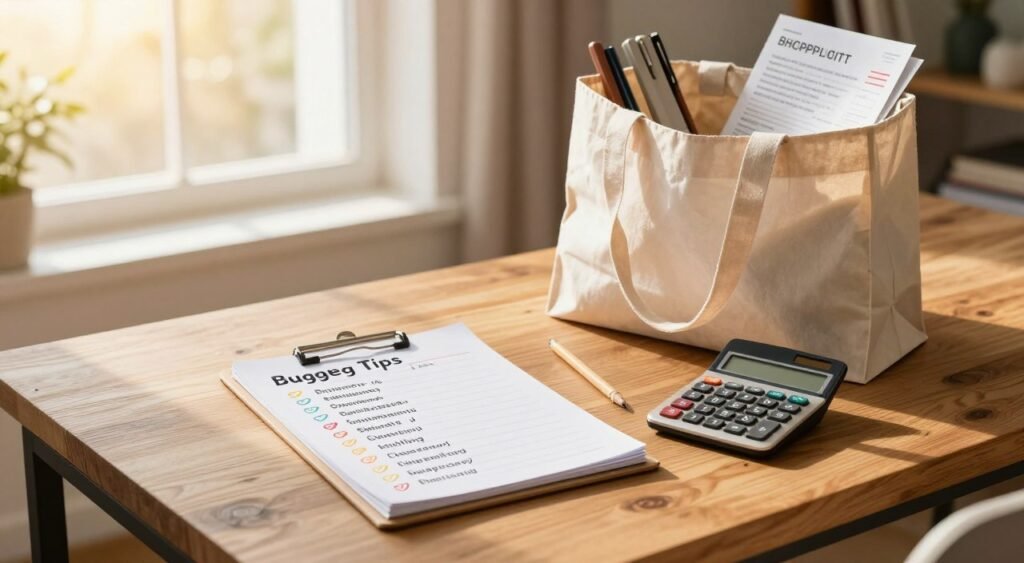
Creating a Shopping List
A list is your best friend when shopping. It keeps you in control. By knowing exactly what you need, you avoid buying things you don’t really want.
Make your list by store section to shop faster. You can group items like this:
- Produce and fresh goods
- Pantry staples and dry items
- Household essentials
- Personal care products
«A goal without a plan is just a wish.» — Antoine de Saint-Exupéry
Setting a Budget and Understanding Currency
Setting a spending limit is a smart shopping budget tip. Decide how much you can spend before you go. This keeps your money safe.
In the United States, knowing the money is important. There are coins and paper bills. Coins are for small amounts, and bills are for bigger ones.
Remember your shopping budget tips when using money. If you use cards, check your balance first. Having a list and a budget makes shopping easy and successful.
Navigating Grocery Stores and Supermarkets
Learning how to grocery store navigate makes shopping easier. Most big stores in the U.S. have a layout to help you find things fast. This way, you can quickly find what you need without getting lost.
Identifying Produce and Dairy Sections
Grocery store produce is near the entrance. You’ll find fresh fruits and veggies here. Stores put them here to make a nice welcome for shoppers.
The dairy section is at the back. Walking past other areas helps you see more. Always check the expiration dates on milk, eggs, and yogurt before buying.
Understanding Unit Pricing and Sales Tags
Shelf tags have a small number called the unit price. Knowing about unit pricing explained helps you compare costs. This way, you can find the best deal, no matter the size.
Sales tags stand out in bright colors like red or yellow. They show when prices are lower. Make sure the item you pick up matches the tag to avoid surprises.
| Label Type | Primary Purpose | How to Identify |
|---|---|---|
| Standard Price | Regular retail cost | White or clear background |
| Unit Price | Value comparison | Small text near the main price |
| Sale Tag | Temporary discount | Bright red or yellow border |
How to Read Clearance Labels
Learning about sales and clearance labels can save you money. Clearance items have stickers with final prices or discounts. These items are often near their expiration date or being discontinued.
Look for clearance items at the end of aisles. Always check clearance items carefully to make sure they’re good quality. By being careful, you can save more money on each trip.
Shopping for Clothing and Apparel
Learning about American sizing and store rules can change your shopping. Knowing the clothing apparel vocabulary helps you find clothes that fit right. A good clothing size guide saves time and avoids bad fits.
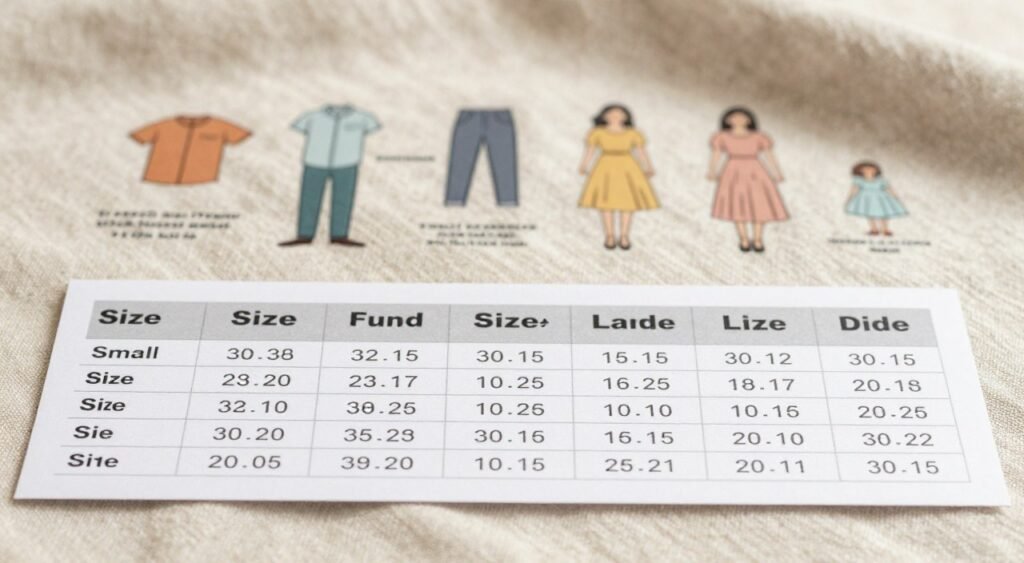
Understanding Sizes and Fit
American sizes are different from those in Europe or Asia. Women’s clothes use numbers like 2, 4, or 6. Men’s clothes use waist and inseam in inches.
Remember, fit varies by brand. A medium in one store might be a large in another. Always check a size chart before buying.
The table below helps you understand these differences.
| US Size | UK Size | EU Size | Fit Description |
|---|---|---|---|
| Small (S) | 8 | 36 | Slim or tailored |
| Medium (M) | 10 | 38 | Standard comfort |
| Large (L) | 12 | 40 | Relaxed or loose |
Asking for Assistance in the Fitting Room
Good fitting room etiquette makes shopping better for everyone. Always check the item limit in the room. If you need more, ask a staff member to hold them for you.
Keep the room clean when you’re done. If something doesn’t fit, put it on the rack. This shows respect for the staff.
Common Phrases for Requesting Different Sizes
If you need help, ask a sales associate. Use these clear and polite phrases to get what you need:
- «Excuse me, do you have this shirt in a size medium?»
- «Could you check if this style comes in a smaller size?»
- «I am looking for a different fit; do you have this in a slim cut?»
- «Is it possible to see if this is available in a different color?»
Interacting with Store Staff and Customer Service
Talking nicely to store staff is key in American shopping etiquette. Being friendly can make your shopping trip better. It helps you find what you need without stress.
Greeting and Asking for Help
Start with «Excuse me» or «Hi there» when you need help. Using customer service phrases makes it clear what you want. If you can’t find something, say, «Could you please help me find the electronics section?»
Being specific helps save time. If something is out of stock, ask, «Do you know when this product will be back in stock?» Most staff will check or suggest something similar.
Inquiring About Store Policies
Knowing store rules is as important as finding products. Before buying a lot, ask about returns or membership. It’s good to ask these questions calmly at the service desk or checkout.
Use polite customer service phrases to ask. For example, «What is your return policy for items without a receipt?» or «Does this store offer a loyalty program for frequent shoppers?» Knowing this ahead of time avoids confusion.
| Scenario | Polite Phrase | Goal |
|---|---|---|
| Finding an item | «Excuse me, where can I find…?» | Locate products |
| Checking stock | «Do you have this in another size?» | Verify availability |
| Return policy | «What is your return window?» | Understand rules |
| Membership | «Do you have a rewards program?» | Save money |
Handling Transactions at the Checkout Counter
When you buy things, you need to know how to pay. You’ll go to the checkout to pay for your items.
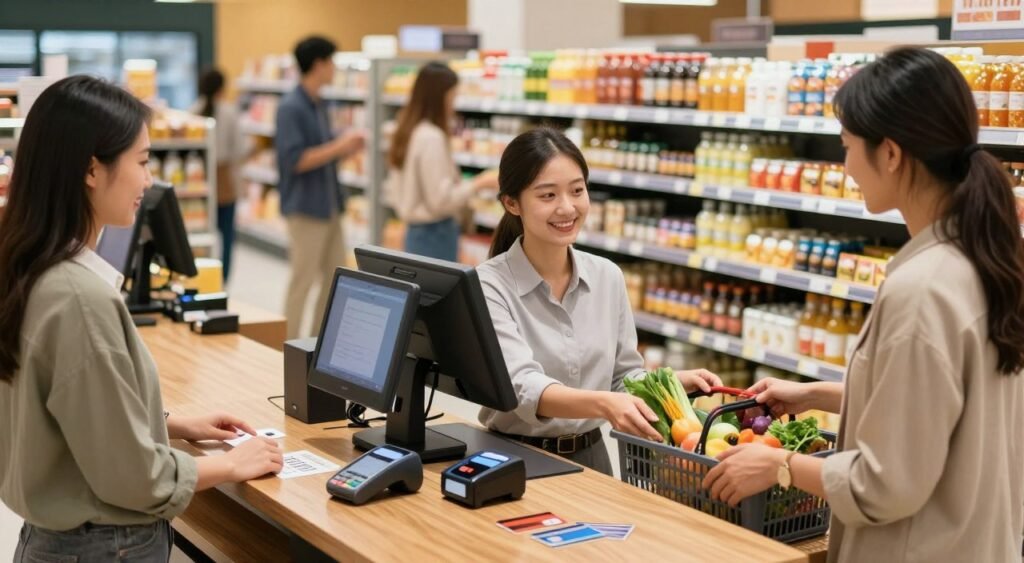
Choosing Between Cash, Credit, and Debit
Stores in the US take many ways to pay. You can use cash, credit cards, or debit cards.
For cards, you might need to tap or insert it. If you pick debit, you’ll enter a Personal Identification Number (PIN).
| Payment Type | Best For | Verification |
|---|---|---|
| Cash | Small purchases | None |
| Credit Card | Large purchases | Signature or PIN |
| Debit Card | Budgeting | Required PIN |
Understanding Receipt Details and Tax
After you pay, you get a receipt. In the US, sales tax is added at the register.
Your receipt will show the total, tax, and final price. Always check it to make sure you paid the right amount.
What to Say When Using Self-Checkout
Many stores have self-checkout lanes. If you have trouble, like an item not scanning, here’s what to do.
Just raise your hand or look for help. Say, «Excuse me, could you please help me with this item?» They can help with many problems.
Managing Returns and Exchanges
Need to return something to the store? Knowing the steps makes it easy. Returning items is common in shopping. It’s good to know how to do it right.
Explaining Why You Are Returning an Item
When you go to customer service, be clear. Tell them why you’re returning it. It could be because it’s broken, the wrong size, or not what you wanted.
Telling them why helps them help you. If it’s broken, say so right away. They need to know for their records.
Understanding Store Credit and Refund Policies
After they say it’s okay to return, you have a choice. Most places give you a full refund back to your card.
But, some stores might give you a gift card instead. This happens if you don’t have a receipt or bought it during a sale. Knowing how refunds work helps avoid surprises.
Always check the signs or your receipt for return rules. Keep your receipt to make sure you get the refund you want.
Navigating Online Shopping and E-commerce
Digital stores have changed how we buy things. It’s important to know the online shopping terms. This helps your items get to you on time.
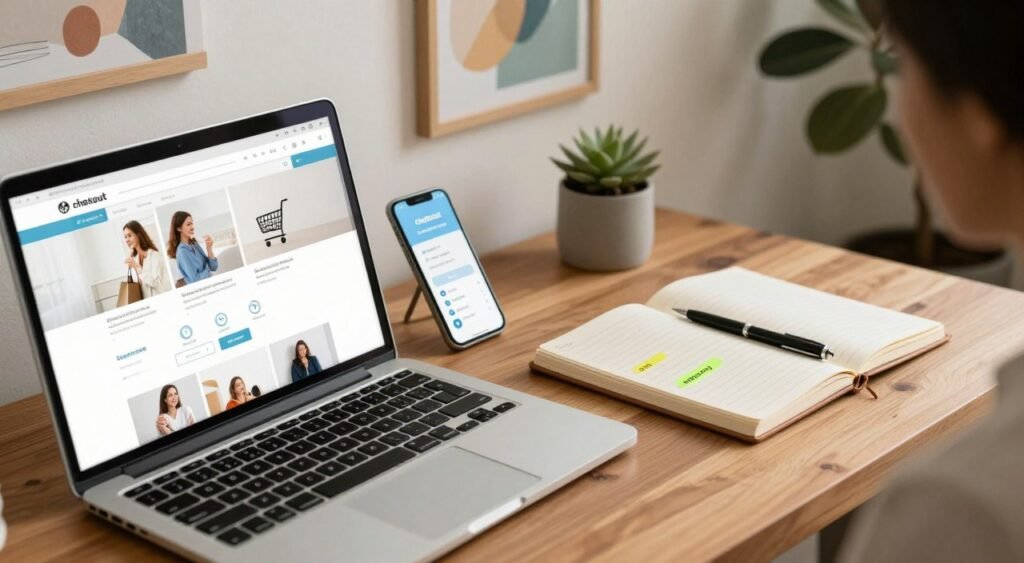
Understanding Shipping and Delivery Terms
At checkout, pick a shipping method that fits your schedule. You’ll see «standard shipping» and «expedited shipping». Standard is cheaper but slower, while expedited is faster.
Look for «estimated delivery dates» to know when your package will arrive. After it ships, you get a tracking number. This lets you track your package online.
| Shipping Method | Typical Speed | Cost Factor |
|---|---|---|
| Standard | 5-7 Business Days | Low or Free |
| Expedited | 2-3 Business Days | Moderate |
| Overnight | Next Day | High |
Managing Online Shopping Carts and Promo Codes
Your digital cart holds items you plan to buy. You can add or remove items, change quantities, or save for later. Always check your cart before you pay to make sure everything is right.
To save money, look for «Promo Code» or «Discount Code» at checkout. Use a valid code to get a discount. Make sure the discount is applied before you pay to get the best deal.
Decoding Sales, Discounts, and Coupons
Learning about sales and clearance labels is key for smart shoppers. It helps you save more money in the United States.
Stores use special words to draw in customers. Knowing these words helps you find the best deals.
Differentiating Between BOGO and Percentage Off
BOGO means «Buy One, Get One.» You pay for one item and get another for free or cheap.
A percentage-off discount lowers the price of an item. For example, «30% off» means you pay 70% of the original price.
«A bargain is something you don’t need at a price you can’t resist.»
How to Use Digital and Paper Coupons
Knowing both old and new ways to save is important. Paper coupons are given at the register. Discount codes and coupons are used online.
Here’s how to save right:
- Check your paper coupon’s expiration date before shopping.
- Click the «Apply» button after typing in your digital code online.
- Make sure the discount shows on your screen or receipt before you pay.
Using discount codes and coupons well needs some focus. Always read the fine print. Some deals might not work with sales and clearance labels.
Conclusion
Shopping in the United States is easier with the right words. You now know how to shop at places like Target or Walmart. You can handle everything from buying food to dealing with returns.
Every time you shop, you feel more confident. You can ask for help, compare prices, and stick to your budget. You’re ready to talk to store staff and use digital tools easily.
Practicing in real life is the best way to get better. Go to local stores, talk to cashiers, and use these tips at the mall. Your clear communication will make shopping fun and useful.
Keep learning new words as you explore stores. The more you practice, the better you’ll get. Enjoy finding new things and services all over the country.